ESE Archives - Aplicaciones Tecnológicas

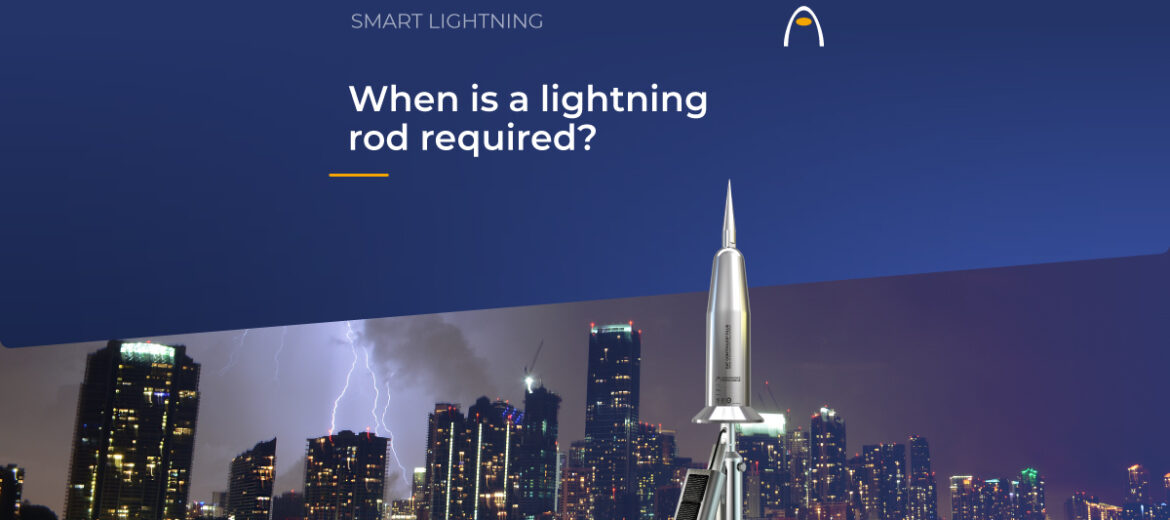
When is a lightning rod required?

The only short answer to this question is: it is always advisable to install a lightning rod to protect people and buildings against atmospheric electrical discharges. However, the requirements for this protection vary according to a wide range of parameters, such as the lightning density in the area, the dimensions of the structure, its use or the material from which it is made. For this reason, lightning protection standards include a risk calculation which, in some countries, is incorporated into regulations that make this analysis mandatory. In addition, the unpredictability of the phenomenon and its high destructive power mean that, in certain circumstances and according to some local regulations, installation changes from being advisable to being compulsory. In any case, the installation of a lightning protection system (LPS) requires the specific technical method for the correct design of that system to be followed, in accordance with the applicable standards.

calculation-of-the-protected-volume-by-early-streamer-emission-ese-air-terminals-two-valid-ways-with-identical-results

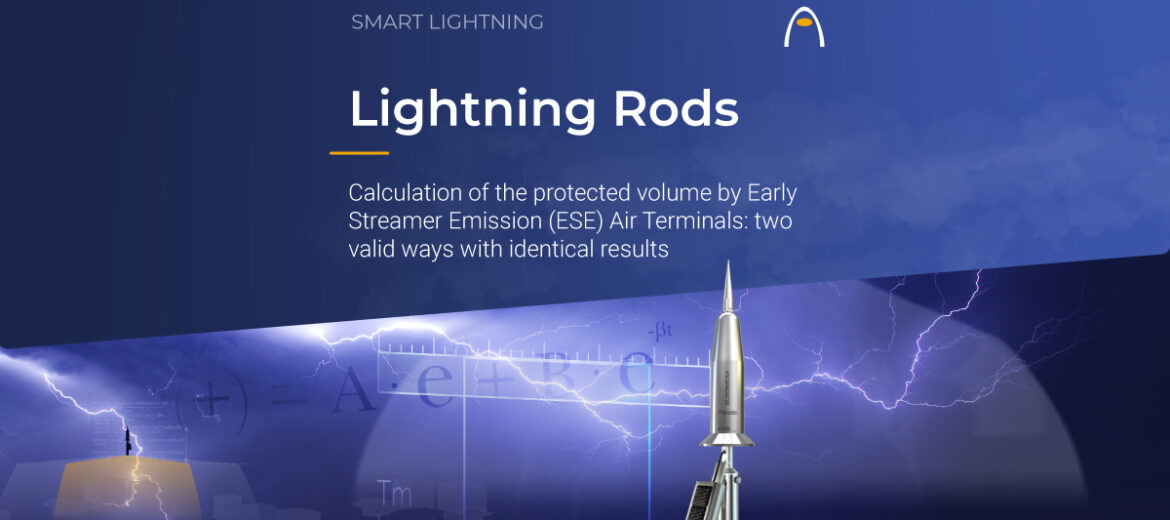
Calculation of the protected volume by Early Streamer Emission (ESE) Air Terminals: two valid ways with identical results

Lightning protection in buildings is crucial to avoid personal, material and economic damage. An Early Streamer Emission air terminal is a high-tech device that responds to the approach of a lightning strike, anticipating its capture of other elements within its protection zone, in order to conduct the discharge current safely to the earthing. To fulfil their functions, they must be installed after calculating their protection radius in such a way as to protect the desired elements, an operation that can be carried out using two different methods but with identical results: those proposed by the UNE21186 standard and by the Technical Building Code (CTE). However, an erroneous interpretation of the latter can be dangerous.
lightning-protection-in-residential-photovoltaic-systems-solar-panels-lightning-rod-ese

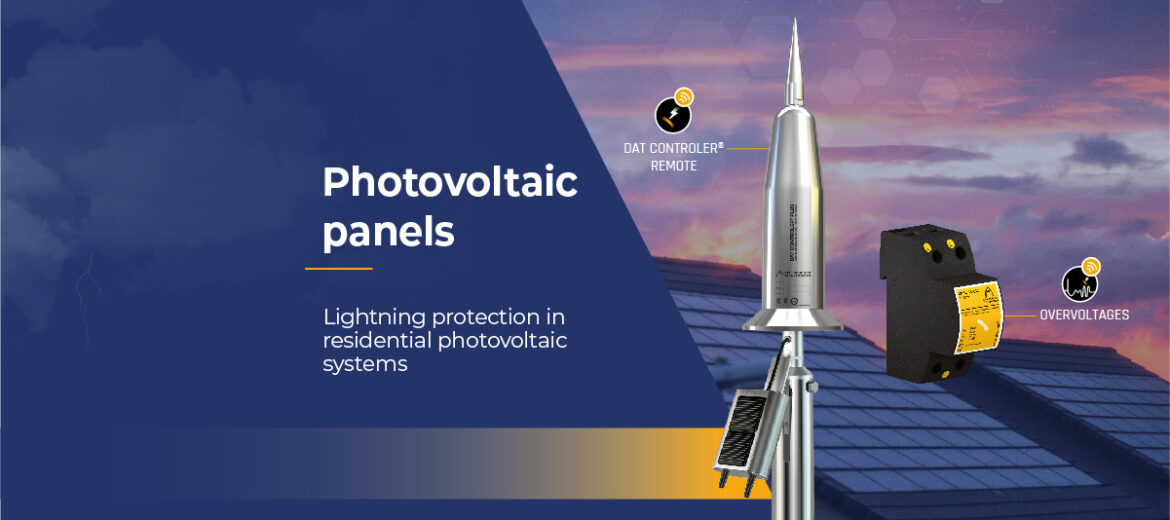
Lightning protection in residential photovoltaic systems

Self-consumption of electricity by means of solar panels is arousing great interest among consumers both because of the savings in energy consumption, as they are less dependent on the external electricity grid, and because of the reduction in environmental impact. The high cost of installing solar panels in private homes, given that they take several years to pay for themselves, makes it essential that they are protected against the destructive effects of a lightning strike.

START TYPING AND PRESS ENTER TO SEARCH